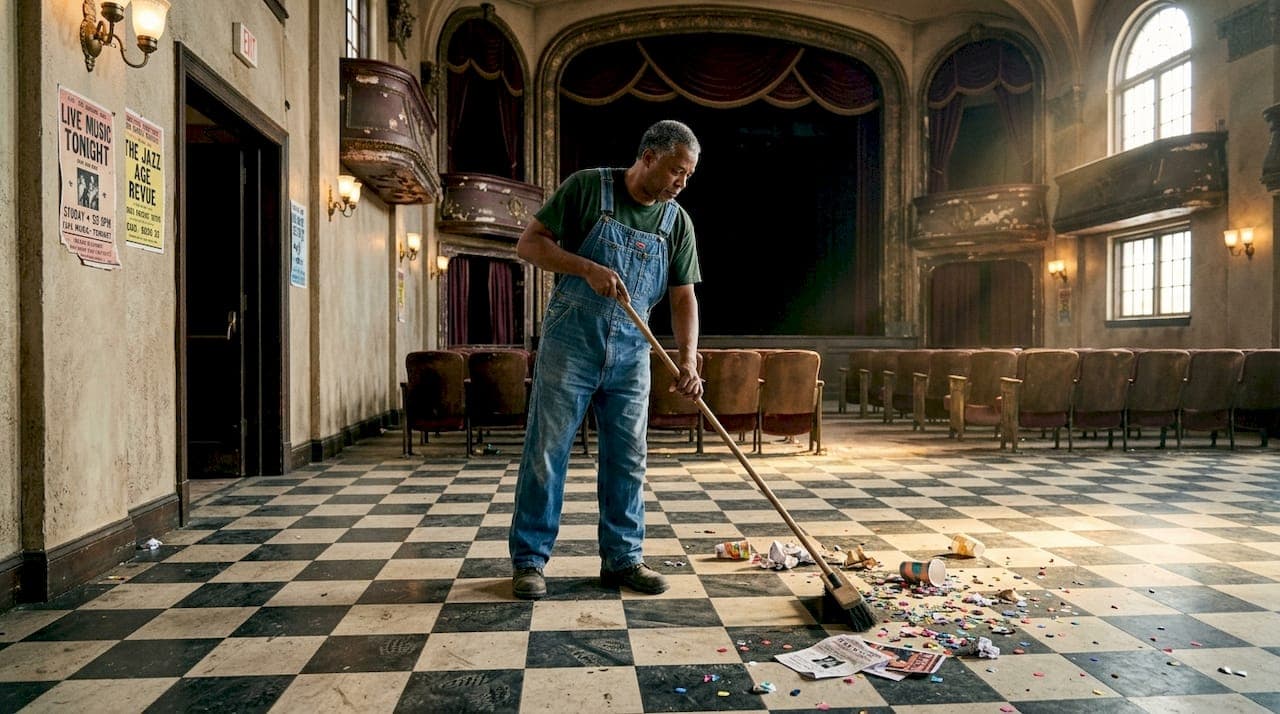
Many iconic music moments were not just shaped by the artists performing them. The venues themselves played a starring role. From juke joints in the late 1800s as informal Black community spaces that gave birth to Delta Blues, to the roaring stadiums where The Beatles redefined what a concert could be, venues have always been active participants in music history. They set the mood, shaped the sound, and built the communities that made certain moments legendary. This article traces that journey from the very beginning.
Table of Contents
- Tracing the origins of live music venues
- Icons and evolution: Landmarks that changed music
- Small vs. large venues: Community or spectacle?
- Venues as platforms: Launching careers and shaping communities
- Track your live music journey and find iconic venues
- Frequently asked questions
Key Takeaways
| Point | Details |
|---|---|
| Venues shape history | Music venues have actively influenced genres, artist careers, and concert culture across eras. |
| Small vs. large impact | Intimate spaces foster talent and community, while arenas drive spectacle but can lose personal connection. |
| Challenges and preservation | Economic, social, and policy factors threaten venue survival, making grassroots and official support crucial. |
| Venue-artist synergy | Artists and venues build each other’s legacy through mutual influence and memorable live performances. |
| Engage and track | Fans can deepen their music journey by tracking venues and concerts, enriching their understanding and community ties. |
Tracing the origins of live music venues
Building on the idea that venues are more than a stage, let's look at their origins and what made them so influential.
The story of live music venues starts in the rural American South. Juke joints emerged in the late 1800s as informal gathering spaces for Black communities, functioning as economic hubs, social centers, and musical incubators all at once. They were not fancy. Wooden floors, dim lighting, and a jukebox or live musician in the corner. But they were vital. Delta Blues was born in these spaces, nurtured by the community energy that surrounded every performance.
Then came the 1910s through the 1930s. Dance halls, speakeasies, and jazz clubs began to reshape urban nightlife. Venues like Apollo Theater gave Black performers a platform during an era of deep segregation, creating a space where talent could shine regardless of the barriers outside the door. These venues did not just host music. They protected it.
Here is what made early venues so powerful:
- They gave marginalized artists a stage when mainstream spaces refused them
- They created loyal local audiences who became lifelong fans
- They served as economic engines for surrounding neighborhoods
- They allowed genres to develop organically, free from commercial pressure
- They connected live music insights to real community identity
"The juke joint was not just a place to hear music. It was a place to be music. Every stomp, shout, and slide guitar note was a conversation between the performer and the room."
Understanding live music at events means understanding that the room itself has always been part of the performance.
Icons and evolution: Landmarks that changed music
As live music evolved, certain venues became synonymous with entire genres and unforgettable performances.
The 1960s saw rock temples like Fillmore East hosting legacy acts in deeply interactive settings. Many of these venues were repurposed from churches, theaters, and cinemas, giving them an architectural intimacy that shaped how audiences experienced sound. In the UK, this trend was especially pronounced, with beloved gig venues carved out of old picture houses and ballrooms.
Iconic venues did not just host music. They defined it. Fillmore shaped psychedelia while the Continental Club in Austin launched Stevie Ray Vaughan's career. The Hollywood Bowl expanded from classical orchestras to hosting The Beatles, eventually earning its place as one of the top-ranked venues in the world.
Here is a quick comparison of how different venue types have shaped music history:
| Venue type | Era | Key contribution |
|---|---|---|
| Juke joint | Late 1800s | Birthed Delta Blues and community music culture |
| Jazz club | 1910s to 1930s | Incubated jazz and gave Black artists a platform |
| Rock temple | 1960s | Launched psychedelic and classic rock movements |
| Stadium | 1960s onward | Scaled concerts into mass cultural events |
| DIY/indie venue | 1980s onward | Preserved underground and alternative scenes |
A few pivotal moments in venue history worth knowing:
- 1934: Apollo Theater opens in Harlem, becoming a launchpad for jazz, soul, and R&B legends
- 1965: The Beatles play Shea Stadium, pioneering the stadium rock format
- 1968: Fillmore East opens in New York, defining the psychedelic rock era
- 1970s: Hollywood Bowl cements its reputation as a premier outdoor concert destination
- 1990s: Small indie venues across the US and UK become the backbone of alternative music
If you love exploring concert venue rankings or want to understand the types of concert experiences that different spaces create, this history gives you the full picture. You can even start building your own concert timeline around the venues that matter most to you.
Small vs. large venues: Community or spectacle?
With landmark venues defined, let's explore how venue size and format alter the audience and artist experience.
The Beatles' 1965 Shea Stadium show was a turning point. It proved that concerts could fill massive spaces and generate enormous cultural energy. But it also introduced a tension that still exists today: scale versus intimacy. When you are one of 55,000 people in a stadium, the connection feels different than being 30 feet from the stage at a 200-capacity club.
Small venues build talent and community in ways that large arenas simply cannot replicate. Artists get real-time feedback. Fans feel seen. Neighborhoods develop musical identities. Large venues, on the other hand, enable massive production budgets, elaborate staging, and the kind of shared spectacle that becomes a generational memory.
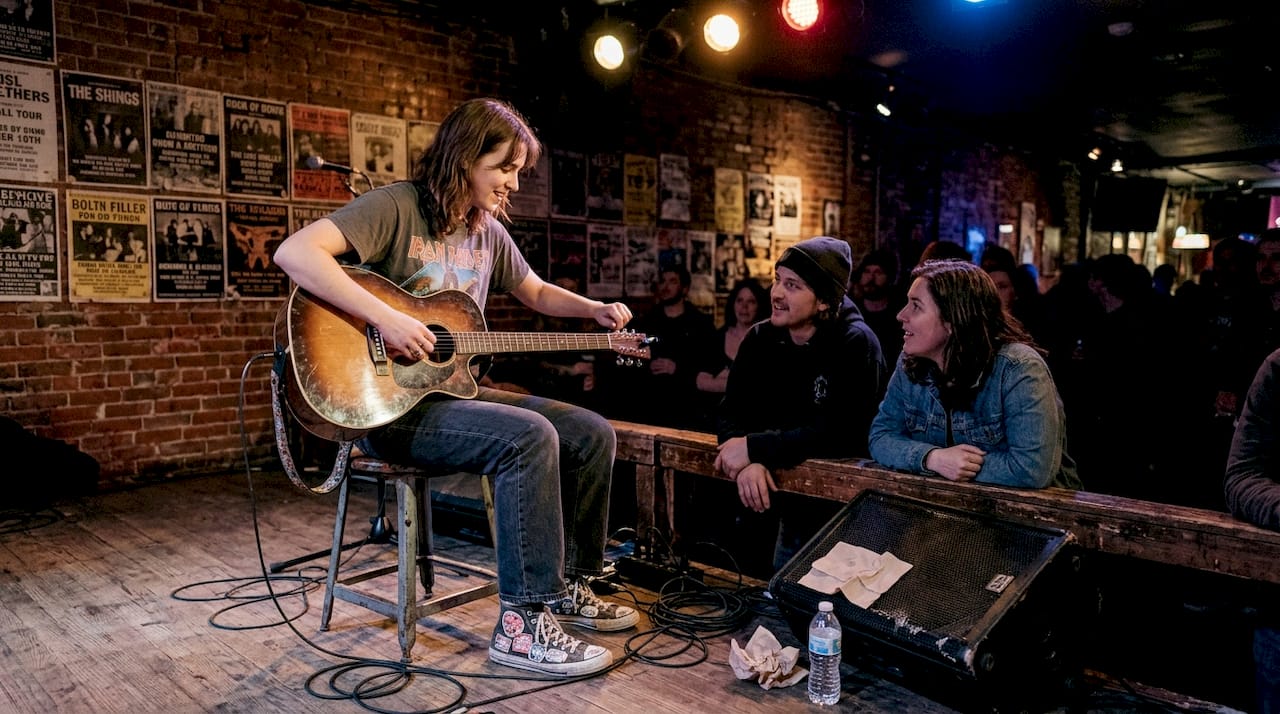
Here is a breakdown of the key differences:
| Factor | Small venue | Large venue/stadium |
|---|---|---|
| Artist development | High, direct feedback loop | Low, performance is polished |
| Audience connection | Intimate, personal | Collective, high-energy |
| Economic impact | Local neighborhood anchor | City-wide tourism driver |
| Genre diversity | Wide, experimental | Narrower, mainstream-focused |
| Ticket accessibility | Generally affordable | Often premium-priced |
Both formats matter. The social bonds formed at concerts are real whether you are in a sweaty basement or a 70,000-seat arena. And tracking the cities you visit for concerts tells a story about which kind of experience you gravitate toward.
Pro Tip: At a small venue, arrive early and position yourself near the stage for the most direct artist interaction. At a large venue, research the acoustics beforehand. Many stadiums have sweet spots where the sound mix is significantly better.
The significance of live performance at events is not just about the music. It is about the space that holds it. And the benefits of live shows extend far beyond the night itself, shaping memories that last decades.
Venues as platforms: Launching careers and shaping communities
With differences between venues covered, it is crucial to understand how venues both launch artists and build lasting communities.
Venues and artists have always had a symbiotic relationship. Spaces gain prestige from the acts they host, and artists gain credibility from the venues that believe in them early. Juke joints under segregation were not just entertainment spaces. They were economic lifelines for Black communities, proving that a venue can carry cultural weight far beyond its square footage.
But venues face serious threats today. Gentrification, rising rents, and noise complaints have forced many venues to spend $120,000 or more on acoustic retrofits just to stay compliant. Post-COVID, roughly 40% of small US venues closed permanently. That is not just a loss of real estate. It is a loss of cultural infrastructure.
Here is what is at stake when a venue closes:
- Local artists lose their primary development stage
- Communities lose a gathering space tied to shared identity
- Neighborhoods lose an economic anchor that supports surrounding businesses
- Music history loses another chapter before it can be written
Policy responses are emerging. The UK's agent-of-change principle and Nashville's zoning protections represent two models for preserving venue ecosystems. Underground and DIY events have also stepped in as alternatives, keeping scenes alive when traditional venues cannot.
Pro Tip: As a fan, one of the most powerful things you can do is show up early and buy a drink. As an organizer, partnering with local businesses and applying for cultural preservation grants can make a real difference in a venue's survival.
You can [organize your concert archives](https://blog.gigvault.app/blog/organize-concert archives enrich music journey) to reflect the venues that shaped your own musical journey, and share those concert insights with others who care just as deeply. The community built around music shows is one of the most enduring things a venue can create.
Track your live music journey and find iconic venues
For fans inspired by the legacies and community power of venues, there is a way to deepen your connection and track your personal concert history.
Gigvault is built for exactly this kind of passion. Whether you have been to 5 shows or 500, the platform lets you log every concert, upload your photos, track the venues you have visited, and generate personalized stats about your live music life.

You can explore Gigvault's concert tracking features to see how your venue history stacks up, discover artists like The Journey Back through shared concert connections, and build a digital archive that reflects your unique relationship with live music. Head to Gigvault and start turning your concert memories into a story worth keeping.
Frequently asked questions
Why are music venues important to live concert history?
Venues shape genres, communities, and the concert experience by hosting legendary performances and nurturing talent from grassroots to stardom. Juke joints in the late 1800s are proof that even the most informal spaces can spark entire musical movements.
How do small venues support new artists?
Small venues offer intimate settings where artists get direct audience feedback, build loyal fan bases, and develop their craft before moving to bigger stages. Independent venues in cities like Nashville are recognized as essential cultural and economic assets for exactly this reason.
What challenges do music venues face today?
Venues are threatened by gentrification, rising costs, noise regulations, and post-pandemic closures, with many needing policy support to survive. Post-COVID closures wiped out 40% of small US venues, making preservation efforts more urgent than ever.
Are grassroots and DIY venues sustainable?
Grassroots and DIY venues can thrive with community-driven models, but they need supportive policies and active fan participation to stay viable long-term. Urban nightlife venue instability research shows that underground events often fill the gap when traditional venues disappear.
How have venues influenced major changes in music history?
Venues like Fillmore East, Apollo Theater, and Shea Stadium sparked new genres, launched iconic acts, and transformed how audiences experience concerts. Fillmore East's rock temple format in the 1960s set the template for how rock music would be presented for generations to come.