
Most music fans assume tracking concert cities is just a way to flex travel bragging rights or count stamps on a personal passport. But that's missing the deeper value entirely. Tracking where you've seen live music transforms scattered memories into actionable insights, revealing patterns about your favorite artists, venue preferences, and travel habits you never noticed. Whether you're logging shows to plan future bucket list trips, connect with fellow fans who've shared the same stages, or simply visualize your unique concert journey, understanding why and how to track concert cities unlocks a richer relationship with live music. This guide explores the surprising benefits, best tools, and expert tips for turning your concert history into a meaningful personal archive.
Table of Contents
- Key takeaways
- Understanding the value of tracking cities visited for concerts
- Tools and apps for logging concerts and cities effectively
- The broader impact of concert city tracking: from personal habits to tourism insights
- Expert insights and practical tips for tracking concert cities thoughtfully
- Discover gigvault: your ultimate concert tracking companion
- FAQ
Key Takeaways
| Point | Details |
|---|---|
| Visualize concert journeys | Tracking the cities you visit turns scattered memories into geographic patterns that reveal travel habits, favorite venues, and recurring artists. |
| Identify planning gaps | Mapping your history highlights missing regions or festivals you may want to target in future trips. |
| Discover most attended cities | Knowing which cities host the most shows helps guide future travel plans and bucket list destinations. |
| Leverage dedicated apps | Specialized apps log concerts by city and venue and turn data into maps, charts, and shareable milestones. |
Understanding the value of tracking cities visited for concerts
Tracking concert cities helps visualize personal concert journeys on maps, turning abstract memories into geographic patterns. You start to notice which cities pull you back repeatedly, which artists you've followed across state lines, and which venues feel like second homes. This isn't just nostalgia. It's data that identifies recurring artists, favorite venues, and travel habits you might otherwise overlook.
Mapping your concerts adds depth beyond simple memorykeeping. When you see your concert history plotted geographically, gaps become obvious. Maybe you've never caught a show in the Pacific Northwest despite loving Seattle-based bands, or you've skipped European festivals even though half your favorite artists tour there annually. These insights reveal planning opportunities you'd miss if you only kept ticket stubs in a drawer.
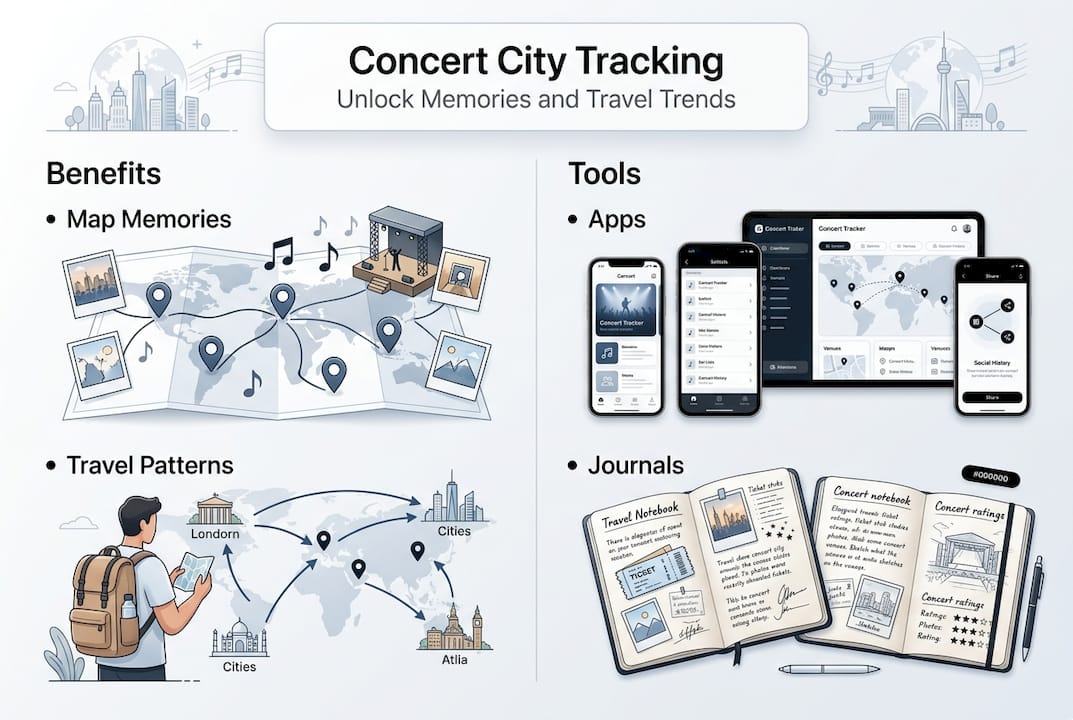
Tracking also supports reflection and storytelling to enrich your concert experience. You can revisit specific nights, remember who you went with, and share those stories with friends who weren't there. It transforms isolated events into a cohesive narrative about your relationship with live music.
Consider these benefits:
- Discover which cities host the most shows you attend, informing future travel plans
- Spot artists you've seen multiple times across different locations, deepening your fan connection
- Identify venue patterns, like preferring outdoor amphitheaters over arenas
- Create conversation starters with fellow fans who've attended the same shows in different cities
Pro Tip: Start tracking retroactively by reviewing old photos, ticket emails, and social media posts to rebuild your concert history before logging new shows.
"Tracking enables visualization of concert history on maps, revealing patterns like recurring artists, travel tendencies, and planning future trips around shows." This approach shifts concert logging from passive remembering to active discovery.
For fans serious about preserving every detail, learning how to remember every concert enhances the tracking process. Festival enthusiasts can explore best festival tracker apps to capture multi-day events across cities.
Tools and apps for logging concerts and cities effectively
Several specialized apps help log and visualize concert attendance by city and venue, each offering unique features for engagement and stats. Dedicated apps like GigTrack allow users to log concerts by city and venue, generate stats on cities visited, share with friends, and view maps and charts for engagement. These platforms turn raw concert data into interactive visualizations that make tracking fun and insightful.
Features vary significantly across apps. Some prioritize social sharing, letting you compare concert histories with friends and discover mutual show attendance. Others emphasize personal stats, offering detailed breakdowns of cities visited, venues frequented, and artists seen most often. Maps and charts transform your concert data into visual stories, while personalized insights highlight achievements like milestone shows or rare city visits.
Choosing the right app depends on your tracking goals and desired social interaction. If you value privacy and detailed personal archives, look for platforms focused on retrospective logging without algorithmic feeds. If you want community engagement, prioritize apps with robust sharing and discovery features.
| App | Key features | Best for |
|---|---|---|
| gigvault | AI-generated Music Identity, mutual connection discovery, private digital scrapbook, achievements | Fans wanting deep personalization and social connection without noise |
| GigTrack | Concert logging, stats on cities visited, maps and charts, social sharing | Users seeking visual engagement and friend comparisons |
| ConcertCritic | Venue tracking, artist stats, rating system, community features | Fans who prioritize rating shows and discovering new venues |
| Encore | Setlist integration, tour visualization, collaborative planning | Groups planning future shows and tracking tours together |
Pro Tip: Test multiple apps by logging your last 10 concerts in each to see which interface feels most intuitive and which features you actually use regularly.
Consider these factors when selecting a tracking platform:
- Interface simplicity for quick logging after shows
- Data export options to preserve your concert history long term
- Social features that match your sharing comfort level
- Visualization tools like maps and charts that make patterns obvious
- Integration with ticketing platforms or setlist databases for automatic updates
For comprehensive comparisons, check out best apps to track concerts to evaluate options side by side. Platform-specific guides like gigvault vs concert archives clarify feature differences for informed decisions.
The broader impact of concert city tracking: from personal habits to tourism insights
Concert city tracking reflects wider live music tourism with fans traveling extensively for shows. Concert tourism data shows fans travel cross-city and cross-country for shows, with 60% or more of large concert audiences from other cities, generating massive economic multipliers. This isn't just about personal memories. It's a significant economic force driving hotel bookings, restaurant spending, and local business revenue in concert destinations.
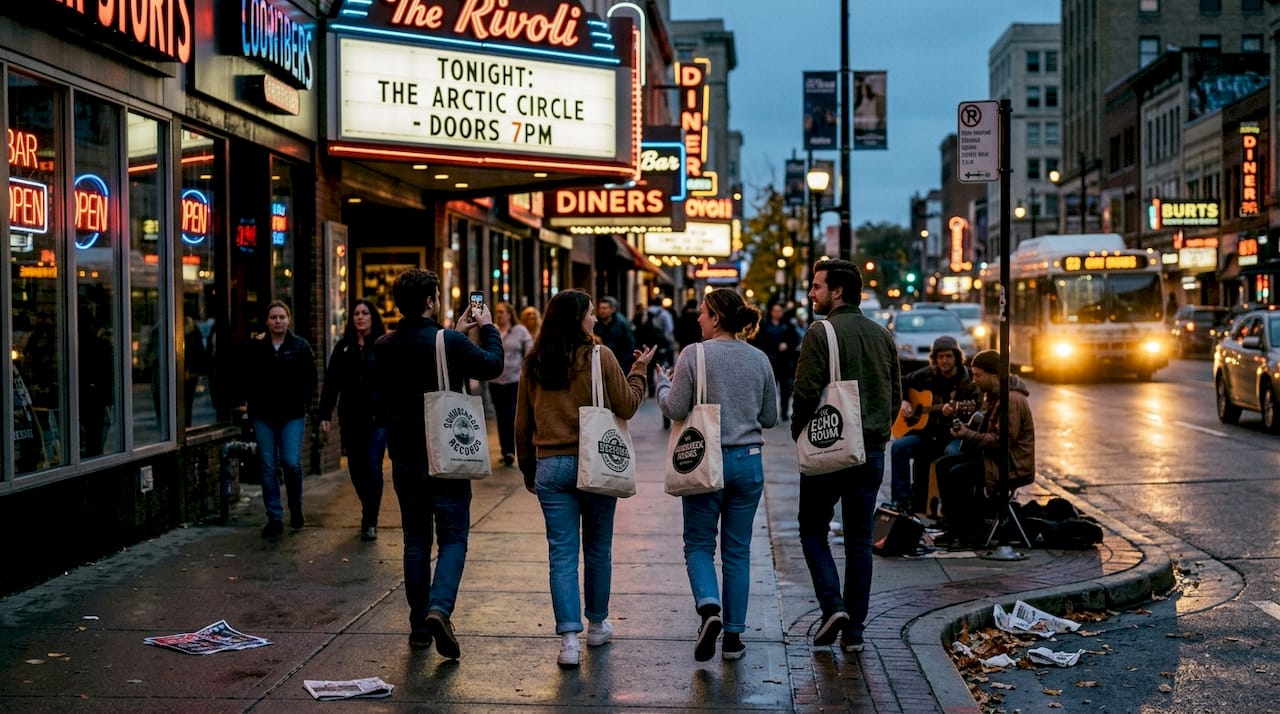
The economic impact spans local businesses due to out-of-town audience spending. When thousands of fans descend on a city for a major tour stop, they need accommodations, meals, transportation, and entertainment beyond the venue. Cities recognize this value, competing to attract tours and festivals that bring tourism dollars. Your individual concert tracking contributes to this larger pattern, documenting how live music shapes travel decisions.
Extreme trackers demonstrate the dedication and scale possible for logging concert history. Concert Joe logs 24,000 shows in 50 years, pursuing live music obsessively and counting by admissions for personal records. While most fans won't reach those numbers, extreme examples illustrate how tracking evolves from casual logging to passionate documentation.
| Concert tourism impact | Scale | Example |
|---|---|---|
| Out-of-town audience percentage | 60%+ for major shows | Taylor Swift Eras Tour city stops |
| Economic multiplier effect | $3-5 spent locally per ticket dollar | Hotel, dining, transport spending |
| Extreme tracker milestone | 24,000+ shows logged | Concert Joe's 50-year journey |
| Cross-border travel | 30%+ international attendees | European festival circuits |
Tracking shows can inspire new travel plans and deeper music fan engagement through these steps:
- Review your concert map to identify regions you've never visited for shows
- Research upcoming tours in those cities to find bucket list opportunities
- Connect with local fans in target cities through tracking apps to get venue recommendations
- Plan multi-show trips combining concerts with tourism to maximize travel value
- Document your expanded concert geography to see your music world grow
For ongoing inspiration and community insights, explore the gigvault blog for stories from fellow music travelers and tracking tips.
Expert insights and practical tips for tracking concert cities thoughtfully
Tracking reveals surprising patterns and helps create personalized concert bucket lists. Expert nuance shows tracking identifies gaps like no France concerts despite French artists for bucket lists, contrasting travel planning apps like Songkick or Bandsintown focused on future shows versus retrospective logging. This distinction matters because forward-looking apps help you discover upcoming concerts, while retrospective tracking builds your historical archive.
Prioritize apps focused on retrospective logging rather than just future shows if your goal is preserving concert history. Future-focused platforms excel at notifications and ticket purchasing but often lack robust tools for cataloging past experiences with photos, ratings, and detailed memories. Dedicated tracking apps let you build a comprehensive archive that grows richer over time.
Reflecting on concert history enhances well-being and social connection in measurable ways. Research on live music and well-being demonstrates that attending and reflecting on concerts boosts happiness and strengthens social bonds. Tracking amplifies these benefits by giving you a structured way to revisit meaningful experiences and share them with others who understand your passion.
Be mindful of the effort involved to avoid burnout or over-commercialization. Tracking should enhance your concert experience, not become a chore that distracts from the music. If you find yourself more focused on logging details than enjoying the show, step back and simplify your approach. Similarly, avoid platforms that turn your concert history into aggressive marketing data or clutter your experience with ads and promotional noise.
Consider these actionable tips for effective concert city tracking:
- Log concerts within 24 hours while memories are fresh and details are accurate
- Include at least one photo or video per show to trigger visual memories later
- Rate shows on a consistent scale to identify patterns in what makes concerts memorable
- Share highlights selectively with friends who attended or would appreciate the experience
- Use visualization tools like maps and charts monthly to spot emerging patterns
- Set annual goals like visiting a new concert city or seeing a favorite artist in multiple locations
Pro Tip: Create a simple spreadsheet or note template with fields for date, city, venue, artist, and one memorable moment to streamline logging before transferring data to your tracking app.
For fans tracking specific artists across cities, specialized guides like how to track Taylor Swift concerts offer tailored strategies. General best practices for preserving concert memories are covered in remember every concert, providing a foundation for consistent tracking habits.
Discover gigvault: your ultimate concert tracking companion
If you're ready to transform scattered concert memories into a comprehensive personal archive, gigvault offers robust tools for logging concerts by city and venue with features designed specifically for music enthusiasts. Unlike generic apps, gigvault emphasizes your unique concert journey through AI-generated Music Identity, mutual connection discovery based on shared show histories, and organized archives with setlists, ratings, and media.
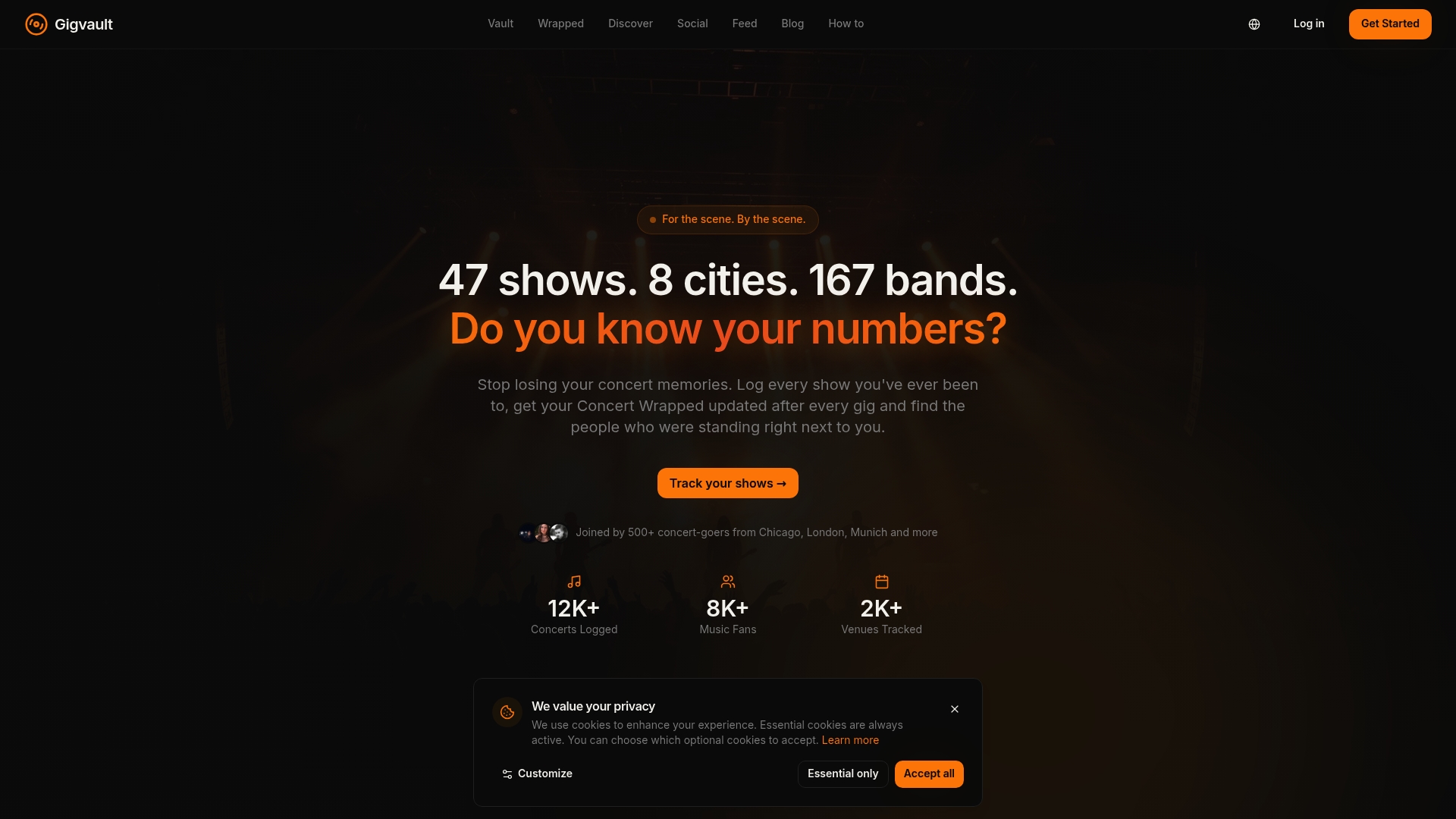
Engage with a community that shares your passion for live music journeys without the noise of followers or algorithms. Easily generate stats, visualize tours, and reflect on your concert history through dynamic show-by-show updates highlighting achievements, cities visited, and top venues. Tools for planning with friends, splitting costs, and messaging enhance social engagement around live music experiences.
Explore the gigvault concert tracking platform to start building your personalized digital scrapbook today. See how other fans document their journeys by checking out artists like The Journey Back concerts to understand the depth of tracking possibilities. For detailed comparisons with other platforms, review the best apps to track concerts guide to confirm gigvault fits your needs.
Pro Tip: Using gigvault regularly makes your concert logging effortless and fun, turning it into a rewarding habit rather than a tedious task.
FAQ
Why is it important to track the cities I've visited for concerts?
Tracking concert cities helps preserve your unique concert history and uncover travel trends you might not notice otherwise. It reveals patterns like which regions host your favorite artists most often, which venues you return to repeatedly, and where gaps exist in your concert geography. This information enables sharing and reflecting with fellow fans, creating conversation starters and connection points based on shared show experiences. For comprehensive memory strategies, explore remember every concert.
What are the best apps to track concerts and cities visited?
Apps like gigvault, GigTrack, and ConcertCritic offer user-friendly concert and city logging features tailored to different fan preferences. Gigvault excels at personalized insights and private archiving without algorithmic noise, while GigTrack emphasizes visual maps and social sharing. ConcertCritic focuses on rating systems and community discovery. Choose based on your preferred interface and social options, whether you want deep personalization, collaborative features, or visual engagement. Detailed comparisons are available in best apps to track concerts.
How does tracking concert cities benefit well-being and social connection?
Reflecting on your concert history enhances happiness and social bonds by giving you structured opportunities to revisit meaningful experiences. Live music boosts well-being through emotional engagement and shared moments, and tracking amplifies these benefits by preserving details that might otherwise fade. Sharing experiences can build connections with others who share your passion, whether through mutual show discovery in tracking apps or storytelling that deepens existing friendships. The act of documenting and revisiting concerts creates positive emotional touchpoints that support long-term happiness.
Can tracking concert cities help plan future travels?
Tracking identifies cities and artists you haven't seen live yet, revealing gaps in your concert experience that become future travel goals. Track to identify gaps for bucket lists, contrasting travel planning apps focused on future shows versus retrospective logging. This approach helps strategically plan future shows to complete your concert experiences, whether that means finally catching a favorite artist in their hometown or exploring music scenes in cities you've never visited. For artist-specific tracking strategies, see how to track concerts effectively.
Recommended
- gigvault Blog – Live Music, Gig Tracking & More
- The 5 Best Apps to Track Concerts You've Been To (2025) | gigvault
- How to Remember Every Concert You've Ever Been To | gigvault
- How to Track Every Taylor Swift Concert You've Attended | gigvault
- Summer 2025 Hip Hop Tours: What to Expect – Stevie The Manager aka Stangr The Man