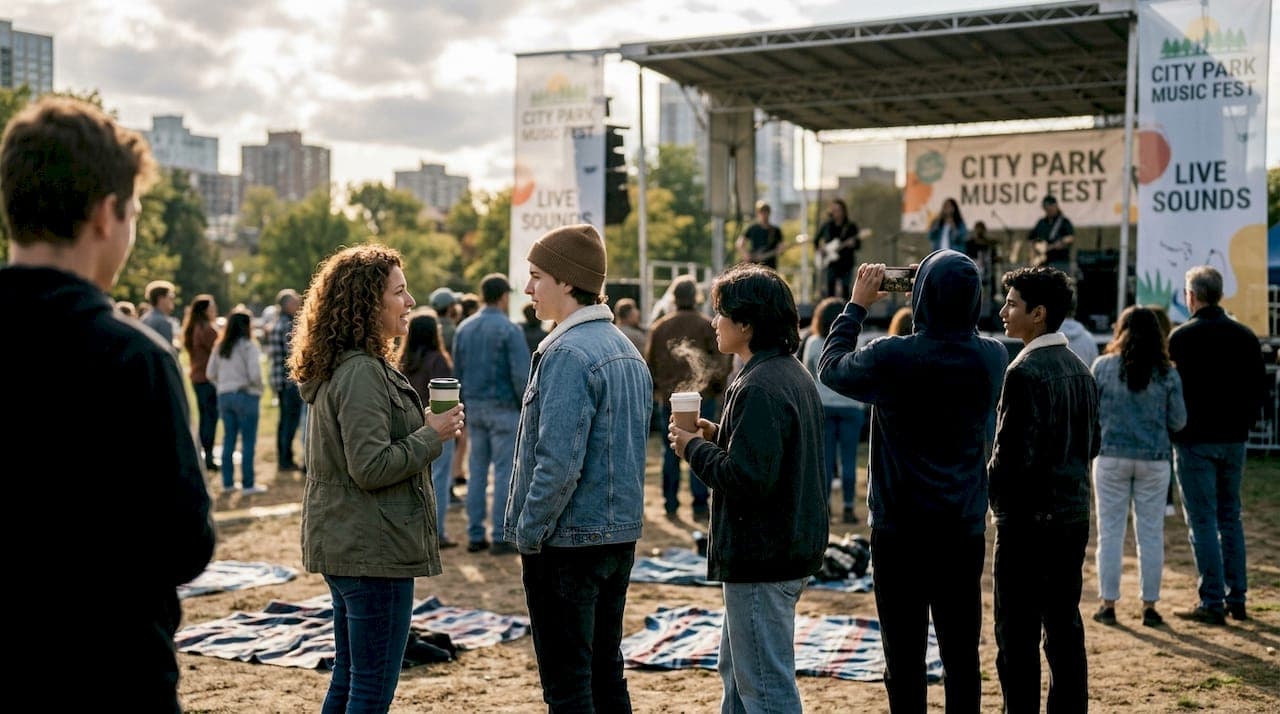
Choosing which concerts to attend can feel overwhelming when you're faced with endless options spanning solo acoustic sets, massive festivals, intimate jazz clubs, and experimental multimedia performances. Each format offers distinct emotional rewards and memory-making potential. Understanding the core characteristics of different concert types helps you select experiences that match your mood, deepen your appreciation of live music, and create richer memories worth documenting. This guide walks you through major concert formats, compares their immersive qualities, and shows you how to capture those unforgettable moments effectively.
Table of Contents
- Key takeaways
- Understanding concert experiences: what to consider
- Types of concert experiences: exploring diverse formats
- Comparing concert formats: immersion, emotion, and social dynamics
- Documenting your concert experiences effectively
- Enhance your concert journey with Gigvault
- FAQ
Key Takeaways
| Point | Details |
|---|---|
| Concert formats vary | Concert experiences differ by format such as solo, band, orchestral, festivals, and experimental shows. |
| Immersive engagement changes dynamics | Immersive and participatory formats deepen emotional connection while altering social interactions. |
| Live presence matters | Live physical presence generally yields stronger engagement than watching a screen, even with high quality audio. |
| Document memories with journaling | Concert journals and reviews help preserve memories and deepen insights. |
| Match formats to preferences | Different formats suit different moods and documentation styles. |
Understanding concert experiences: what to consider
Before diving into specific concert types, you need a framework for evaluating what makes each experience unique. Concert experiences differ primarily by format, venue characteristics, audience interaction level, and presentation style. A small jazz club creates intimacy that a stadium show cannot replicate, while a festival offers variety no single-artist concert can match.
Venue quality dramatically affects your experience. Acoustics, sightlines, crowd density, and physical comfort shape how deeply you connect with the performance. Experimental concert formats enhance immersion and emotional connection by breaking traditional presentation boundaries. Live physical presence triggers stronger physiological and emotional responses than watching a screen, even when the audio quality matches.
Audience roles vary widely across concert types. Some formats encourage communal social bonding where you share energy with strangers. Others invite absorbed individual listening where you focus intensely on musical details. Participatory concerts where you clap, dance, or sing along create different memories than seated performances where stillness is expected.
When documenting your concert experiences, consider these criteria:
- Sensory details: lighting, sound quality, temperature, crowd energy
- Venue characteristics: size, layout, acoustics, accessibility
- Artist engagement: stage presence, audience interaction, setlist choices
- Crowd dynamics: energy level, participation style, demographic mix
- Personal emotional response: moments of peak connection or surprise
Pro Tip: Take mental snapshots during the concert by pausing for five seconds to absorb the full sensory scene. This conscious attention creates stronger memory anchors you can recall later when journaling.
Types of concert experiences: exploring diverse formats
Concert formats span a wide spectrum, each offering distinct advantages for different listener preferences. Common concert types include solo performances, band shows, orchestral concerts, festivals, genre-specific events, acoustic sessions, street performances, and hybrid formats.
Solo performances spotlight individual artistry. You experience direct connection with one performer's voice, instrument, and stage presence. These shows often feel intimate even in larger venues because attention never splits between band members. Solo acoustic sets reveal raw vocal ability and instrumental skill without production layers.
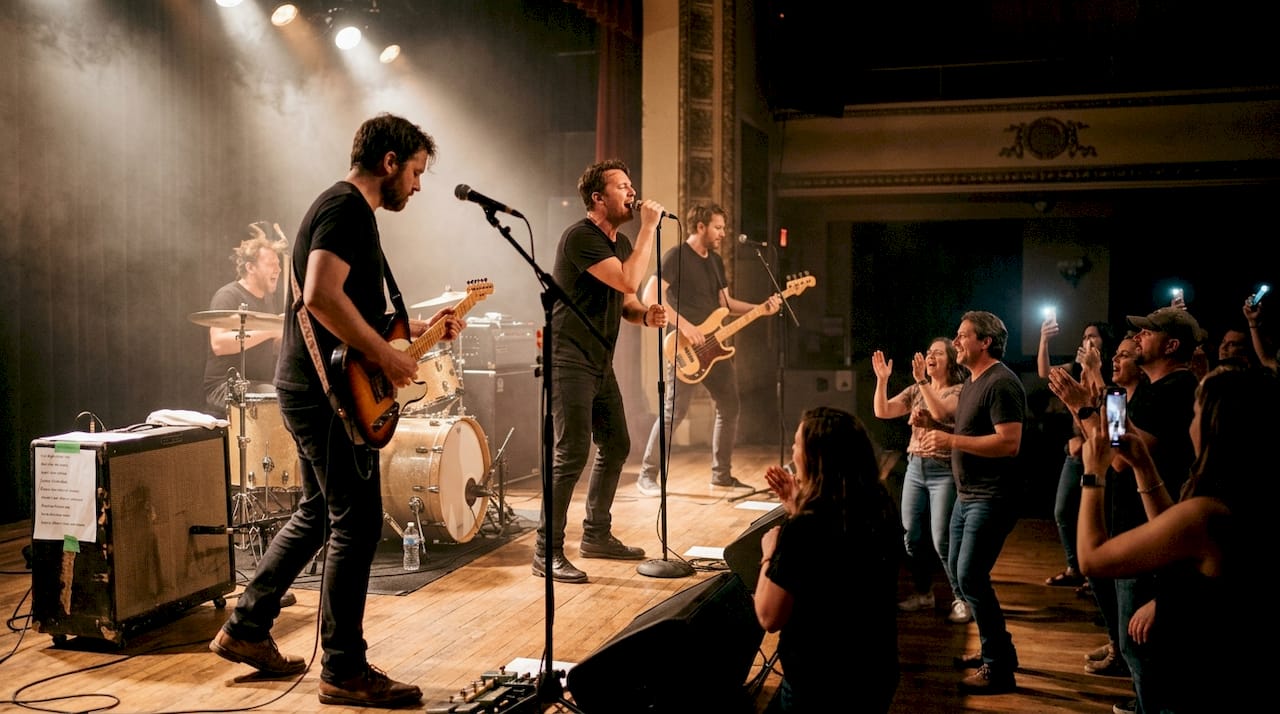
Band concerts emphasize group dynamics and collective energy. Multiple musicians create sonic complexity and visual interest as they interact on stage. Rock, pop, and indie band shows typically encourage high-energy audience participation through dancing, singing along, and crowd surfing. The social atmosphere tends toward communal celebration.
Orchestral and classical concerts prioritize acoustic precision and venue grandeur. Symphony halls are engineered for optimal sound distribution. These performances demand attentive listening and reward focus on compositional details, instrumental technique, and conductor interpretation. Audience behavior follows formal conventions with applause reserved for movement endings.
Music festivals combine multiple artists across hours or days. You sample diverse genres, discover new performers, and experience immersive environments with art installations, food vendors, and social spaces. Festivals create adventure narratives as you navigate stages, weather, and crowds. The variety makes them ideal for tracking across your concert history.
Emerging hybrid formats blend live and digital elements. Live-streamed concerts reach global audiences while maintaining real-time connection. Interactive shows use audience voting, augmented reality, or participatory elements to reshape traditional performer-listener boundaries. These innovations expand what concert experiences can become.
Comparing concert formats: immersion, emotion, and social dynamics
Different concert formats create measurably different experiential qualities. This comparison helps you match formats to your current preferences and documentation goals.
| Format | Immersion level | Emotional impact | Social intensity | Ideal documentation |
|---|---|---|---|---|
| Solo acoustic | High | Intimate, reflective | Low to medium | Detailed lyric analysis, emotional response |
| Band/rock show | Very high | Energetic, euphoric | Very high | Crowd energy notes, peak moments |
| Orchestral | Medium to high | Contemplative, awe-inspiring | Low | Technical observations, compositional insights |
| Festival | Variable | Adventurous, diverse | High | Multi-artist comparisons, discovery log |
| Experimental | Very high | Surprising, challenging | Medium | Sensory details, conceptual reflections |
Participatory and visually enhanced shows maximize immersion but sometimes reduce communal bonding. When you're focused on interactive elements or stunning visuals, you may connect less with fellow audience members. Conversely, traditional concert formats where everyone faces the stage together often build stronger collective experience.
Musical presentation style affects perception deeply. Strict adherence to composed scores creates different listening modes than improvisational performances. Jazz concerts reward attention to spontaneous creativity and musician communication. Classical concerts emphasize interpretive choices within established compositions.
Live physical presence outperforms streaming in physiological and emotional response measures. Your body responds to live sound pressure, crowd energy, and spatial acoustics in ways screens cannot replicate. Heart rate variability, skin conductance, and movement synchronization all increase during in-person attendance.
Choosing the right format depends on what you want from the experience. Seeking emotional catharsis? High-energy band shows deliver. Want intellectual engagement? Orchestral or experimental concerts satisfy. Need social connection? Festivals and participatory shows excel. Your documentation approach should match the format's strengths.
Pro Tip: Attend at least one concert outside your usual preferences each year. Unexpected formats often create the most memorable experiences and expand your appreciation for live music's possibilities.
Documenting your concert experiences effectively
Capturing concert memories requires intentional practice and structured approaches. Concert journaling and timely reviews double engagement and deepen memory retention when done within 24 hours of the show.
Create detailed concert journals using these prompts:
- Write the basic facts first: date, venue, artist, opener, ticket price, who you attended with
- Describe the venue atmosphere: crowd size, demographics, energy level before the show
- Capture sensory details: lighting design, sound quality, temperature, smells, visual elements
- Note standout moments: unexpected songs, artist stories, technical issues, crowd reactions
- Record your emotional journey: how you felt during different songs or segments
- Reflect on the overall experience: what made it memorable, how it compared to expectations
Structured reviews include these elements:
- Context: why you attended, what you knew about the artist beforehand
- Setlist analysis: song choices, pacing, surprises, covers or new material
- Performance notes: vocal quality, instrumental skill, stage presence, energy management
- Audience response: participation level, demographic observations, memorable interactions
- Technical assessment: sound mixing, lighting design, stage production quality
- Final verdict: rating out of 10, whether you'd see the artist again, recommendation strength
Use vivid sensory language to make memories concrete. Instead of "the lights were cool," write "strobing red lights synced to the bass drum created disorienting pulses that made the crowd surge forward." Specific details trigger stronger recall months later.
Multimedia documentation enhances written records. Take photos and short videos during appropriate moments, respecting venue policies and fellow attendees. Capture the stage, the crowd from your perspective, and your companions enjoying the show. Review and organize this media within 24 hours while memories are fresh.
"Writing about concerts forces me to process what I experienced. I notice patterns across shows, recognize my evolving tastes, and appreciate moments I might have forgotten. It's become essential to how I experience live music." — Dedicated concert journalist
Combine digital and handwritten notes for maximum recall. Type quick observations on your phone during or immediately after the show. Later, expand these into longform journal entries or reviews. The physical act of handwriting engages different memory pathways and slows you down enough to reflect deeply. Track your concert history using apps that organize setlists, photos, and notes in one place, then supplement with personal journal entries that capture subjective experiences.
Pro Tip: Create a concert memory ritual. Always document within the same timeframe using the same format. This consistency builds a valuable archive and makes each show feel more intentional and meaningful.
Enhance your concert journey with Gigvault
Now that you understand how to evaluate and document different concert types, consider how Gigvault can streamline this process. Gigvault lets you efficiently log every show you attend, organize setlists and venue notes, upload photos and videos, and rate performances all in one private digital archive. Instead of scattered notes across apps and notebooks, you build a comprehensive concert history that reveals patterns in your musical journey.
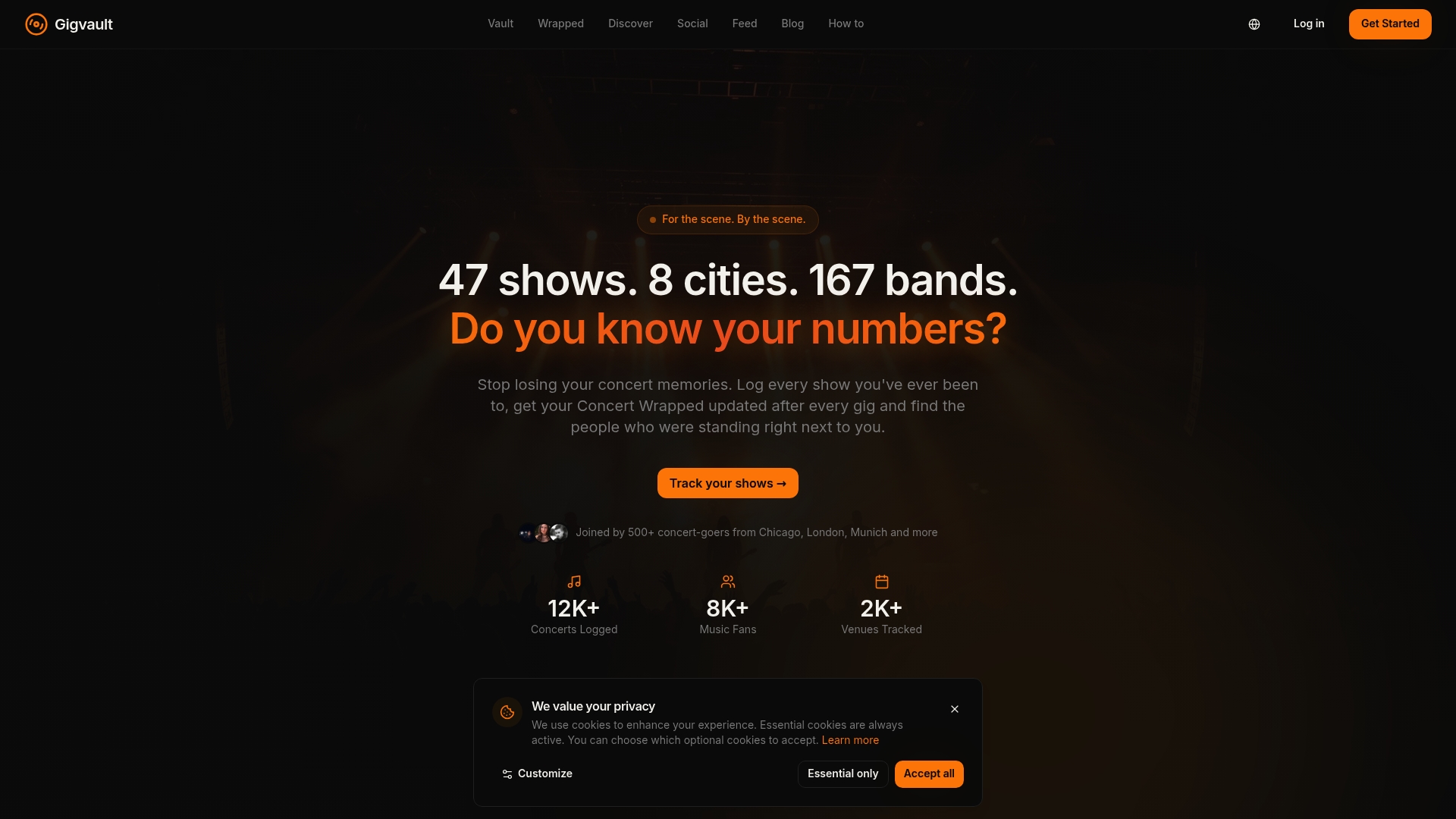
The platform generates personalized statistics showing your most-attended venues, top artists, cities visited, and concert frequency over time. You can discover mutual connections with other fans based on shared concert histories, creating meaningful relationships rooted in live music passion. Whether you attend intimate solo shows or massive festivals, Gigvault adapts to document every format effectively. Explore how to use Gigvault to transform your concert memories into a rich, searchable archive. Track your favorite artists like Simple Plan and receive updates when they announce new tour dates.
FAQ
What types of concerts are best for immersive experiences?
Participatory concerts where you dance, sing along, or interact with performers create the highest immersion levels. Experimental formats that break traditional presentation boundaries also enhance engagement through unexpected sensory elements. Acoustic performances in small venues generate intimate immersion through proximity and stripped-down arrangements. Your personal immersion depends on matching format to your participation preferences.
How do live concerts compare to livestreamed performances?
Live physical attendance produces stronger emotional and physiological responses than watching streams. Your body reacts to sound pressure, spatial acoustics, and crowd energy in ways screens cannot replicate. Streaming offers accessibility and convenience but rarely substitutes the full sensory and social experience. Use streaming to preview artists or catch shows you cannot attend physically, but prioritize in-person attendance when possible.
When should I document my concert experiences?
Document within 24 hours while sensory details and emotional responses remain vivid. Take brief notes on your phone during or immediately after the show, then expand these into full journal entries or reviews the next day. This timing doubles engagement and memory retention compared to delayed documentation. The sooner you capture details, the richer your long-term memories become.
Do different music genres require different concert documentation approaches?
Yes. Classical concerts benefit from technical observations about interpretation and composition. Rock and pop shows call for crowd energy descriptions and peak moment tracking. Jazz performances reward notes on improvisation and musician interaction. Electronic music events emphasize production design and sensory immersion. Tailor your documentation framework to highlight each genre's distinctive experiential qualities.
Can streaming concerts replace attending live shows?
Streaming complements but rarely replaces live attendance. Streams offer convenience, multiple camera angles, and accessibility for distant or sold-out shows. However, they lack the physiological arousal, spatial acoustics, crowd energy, and social bonding of physical presence. Use streaming to discover new artists, revisit favorite performances, or stay connected when travel is impossible, but treat it as supplementary to in-person experiences.