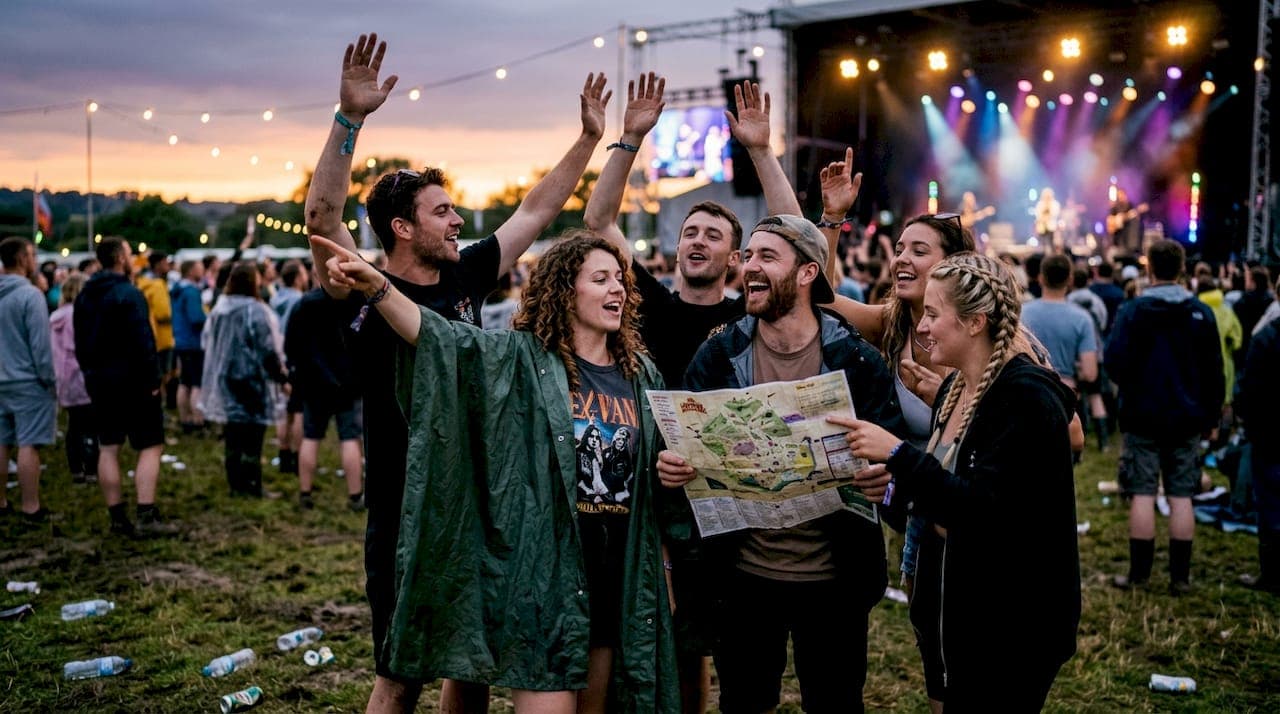
Most people see concerts as entertainment, a chance to hear their favorite songs live and escape daily routines. Yet concerts do something far more profound: they forge instant social bonds through synchronized brain activity and shared emotional highs. Research reveals that attending live music events with others triggers unique psychological mechanisms that strengthen friendships, build community, and boost happiness for days afterward. Whether you're connecting with old friends or meeting new ones, shared concert experiences create lasting social connections that passive listening or virtual events simply can't match. This guide explores the science behind concert bonding and practical strategies to maximize these powerful social effects.
Table of Contents
- The Psychological Power Of Shared Concerts
- Collective Effervescence And Lasting Well-Being Benefits
- Using Apps And Digital Tools To Connect And Document
- Maximizing Live Event Participation For Deeper Connections
- Explore Gigvault To Connect And Track Concerts
- Frequently Asked Questions
Key takeaways
| Point | Details |
|---|---|
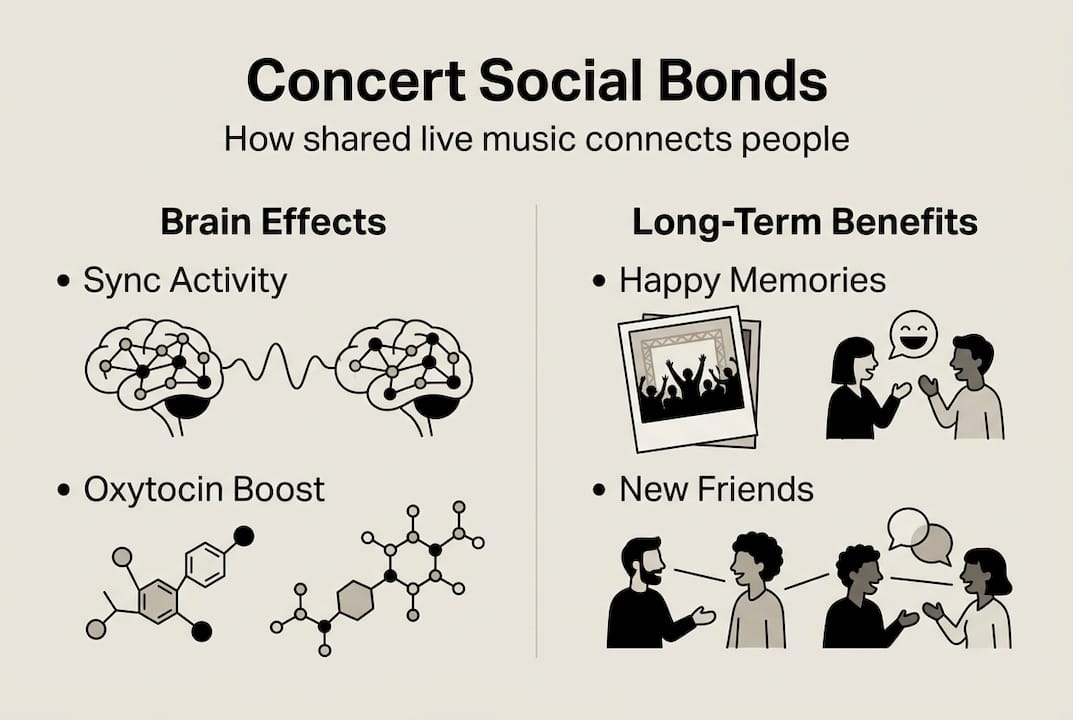
| Synchronized bonding | Live music synchronizes brain activity and triggers oxytocin release, creating instant emotional connections between concert-goers. |
| Lasting happiness boost | Collective emotional highs at concerts elevate well-being and life meaning for up to a week after the event. |
| Digital documentation tools | Apps help fans track concert histories, discover mutual connections, and maintain relationships beyond live events. |
| Active participation matters | Attending concerts in person and engaging actively creates stronger social bonds than virtual or passive listening experiences. |
| Introvert-friendly connection | Concerts offer low-pressure social opportunities through shared focus on music rather than forced conversation. |
The psychological power of shared concerts
When you attend a concert with others, your brain doesn't just process music individually. Synchronized brain activity occurs across audience members, creating a neurological foundation for social bonding that feels almost magical. University of Leeds research demonstrates that shared music experiences trigger coordinated neural responses and increase oxytocin, often called the bonding hormone. This hormonal surge happens automatically when you sing along, dance, or simply sway to the same beat as those around you.
The effects extend far beyond the concert venue. People who share musical moments report feeling closer to companions immediately and maintain stronger connections weeks later. Your brain interprets synchronized movement and emotional responses as signals of social alignment, making strangers feel like allies and turning acquaintances into friends. This process happens unconsciously, which explains why concert friendships often feel deeper than relationships formed through small talk at other social gatherings.
Several psychological factors amplify these bonding effects:
- Rhythmic synchronization aligns body movements and creates a sense of unity
- Shared emotional peaks during favorite songs generate collective joy and vulnerability
- Oxytocin release reduces social anxiety and increases trust between attendees
- Joint attention on performers creates common ground without forced interaction
As one neuroscientist explains: "Live music creates a unique social environment where individual boundaries soften, allowing people to connect through shared sensory and emotional experiences rather than verbal communication alone."
These mechanisms explain why you might feel an instant connection with someone you met at a concert, even if you barely spoke. The shared experience creates psychological intimacy that would typically require multiple interactions to develop. For concert-goers looking to remember every concert and the connections formed there, understanding these bonding mechanisms helps you recognize and nurture meaningful relationships that start in the crowd.
Collective effervescence and lasting well-being benefits
Beyond individual brain responses, concerts generate a group-level phenomenon sociologists call collective effervescence. This describes the electric feeling when an entire crowd shares an emotional high, whether during an explosive chorus or a quiet acoustic moment. University of Buffalo researchers studied this effect across four separate investigations, finding that collective effervescence predicts well-being and elevates both happiness and life meaning for up to seven days after concerts end.
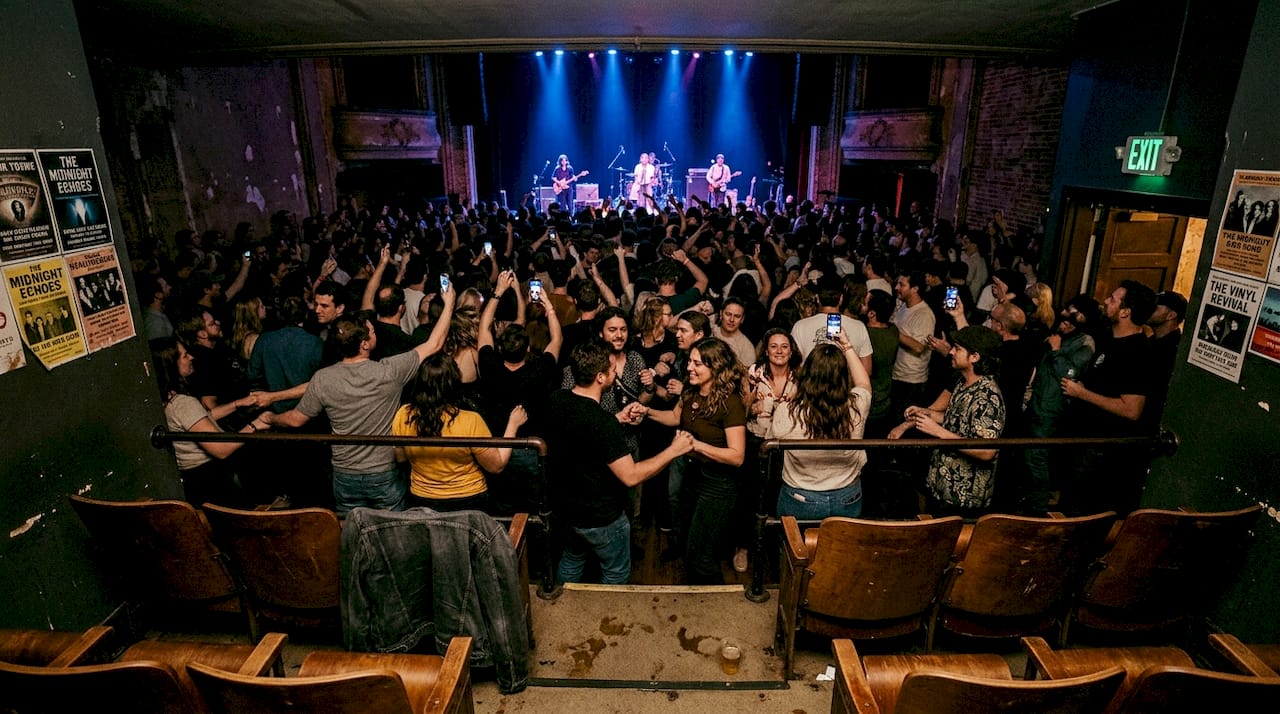
The research tracked concert-goers before, during, and after live events, measuring emotional states and life satisfaction at multiple intervals. Results showed that people who experienced stronger collective effervescence reported significantly higher enjoyment during concerts and maintained elevated well-being throughout the following week. The effect size was substantial, with participants rating their life meaning 18% higher and happiness levels 22% higher compared to baseline measurements.
Collective effervescence impact on well-being
| Study measure | During concert | 3 days after | 7 days after | Effect strength |
|---|---|---|---|---|
| Enjoyment rating | +34% | +12% | +8% | Strong |
| Life meaning | +18% | +15% | +11% | Moderate |
| Happiness level | +22% | +16% | +9% | Moderate |
| Social connection | +28% | +19% | +14% | Strong |
Attending multiple concerts amplifies these benefits. Regular concert-goers develop a baseline elevation in well-being that occasional attendees don't experience. Your brain begins associating live music environments with positive social outcomes, making each subsequent concert feel even more rewarding. This creates a virtuous cycle where concert attendance feeds social connection, which motivates more concert-going, further strengthening your social network.
Research shows collective effervescence effects last 7+ days, with happiness elevated 22% and life meaning increased 18% immediately after concerts, gradually declining but remaining above baseline for a full week.
The implications are clear: concerts aren't just fun nights out. They're powerful tools for building lasting happiness and social bonds. Using best apps to track concerts helps you identify which events and artists generate the strongest collective effervescence for you personally, allowing you to curate future concert experiences that maximize both enjoyment and social connection.
Using apps and digital tools to connect and document
While live concerts create the initial bonding magic, digital tools help maintain and deepen those connections between events. Concert tracking apps have evolved from simple calendar tools into social platforms where fans discover mutual connections, share memories, and plan future shows together. These platforms bridge the gap between live events, keeping concert-based friendships active year-round.
Popular apps offer different features tailored to various social needs. Some focus on documenting personal concert histories with photos and setlists, while others emphasize discovering fans with similar tastes. Common Sound and Concert Archives help connect fans based on shared past concerts and upcoming shows, allowing users to document photos, notes, and setlists while discovering who else attended the same events.
Concert app feature comparison
| Feature | Social discovery | History tracking | Photo/video storage | Event notifications | Community chat |
|---|---|---|---|---|---|
| Concert Archives | Limited | Extensive | Yes | Basic | No |
| Common Sound | Strong | Moderate | Yes | Advanced | Yes |
| Gigvault | Advanced | Extensive | Unlimited | Personalized | Yes |
| Setlist.fm | Minimal | Basic | Limited | None | Forums |
Apps foster ongoing community through several mechanisms:
- Mutual concert discovery shows which friends attended the same shows, sparking conversations
- Flashback notifications remind you of concerts from previous years, encouraging reminiscing
- Friend activity feeds keep you updated on what shows your connections are attending
- Event planning tools help coordinate group attendance and ticket purchases
- Memory archives preserve photos and videos that trigger social bonding when shared
Pro Tip: Enable app notifications for concerts you attended one or two years ago. These flashback reminders give you natural conversation starters to reconnect with people you met at those shows, asking if they remember specific moments or plan to see that artist again.
The digital layer doesn't replace live concert bonding but enhances it. You can maintain relationships with people who live in different cities by comparing concert histories and planning meetups around touring artists you both love. Apps also help introverts prepare for concerts by identifying potential connections beforehand, reducing social anxiety at events. For comprehensive tracking and social features, platforms like gigvault vs Concert Archives offer different approaches to documenting and connecting through concert experiences. Many users combine multiple apps, using one for detailed personal archives and another for broader social discovery, creating a complete ecosystem for concert-based relationships. Year-end features like concert wrapped also provide shareable summaries that spark conversations about musical tastes and shared experiences.
Maximizing live event participation for deeper connections
While apps enhance concert relationships, nothing replaces the bonding power of live, active participation. Virtual concerts and solo listening create enjoyment but lack the synchronized brain activity and collective effervescence that forge deep social bonds. Active participation at live events strongly boosts social connection opportunities, with recurring attendance compounding these effects over time.
To maximize social bonding at concerts, follow these strategic steps:
- Choose artists with dedicated fan communities where attendees share strong emotional connections to the music
- Arrive early to engage in pre-show conversations when people are relaxed and open to meeting others
- Position yourself in areas with high energy, typically near the front or in standing sections where movement and interaction happen naturally
- Participate actively by singing, dancing, or responding to performers, which signals openness to others
- Exchange contact information or app usernames with people you connect with before leaving the venue
- Follow up within 48 hours while the shared experience remains fresh in everyone's memory
Attending concerts with existing friends strengthens those relationships, but going solo or with just one companion opens more opportunities for meeting new people. Groups of three or more tend to stay insular, missing chances to expand their social circle. If you're introverted or new to a city, concerts offer unique advantages: the shared focus on music removes pressure for constant conversation, and common musical taste provides instant rapport.
Pro Tip: For introverts or those attending concerts in unfamiliar cities, join artist-specific online communities before events and arrange low-pressure pre-show meetups at nearby cafes. This creates a safety net of familiar faces while maintaining flexibility to explore other connections during the actual concert.
Choosing concerts strategically matters for social outcomes. Shows with strong fan-artist bonds generate more powerful collective effervescence, leading to better connection opportunities. Smaller venues often create more intimate environments where conversations happen naturally, while festival settings offer volume and variety but can feel overwhelming for focused relationship building. Recurring attendance at the same venue or following specific artists on tour creates familiarity with other regular attendees, transforming casual concert acquaintances into genuine friendships over time.
The key is balancing openness with authenticity. Don't force interactions, but remain receptive when natural connection moments arise. Your genuine enthusiasm for the music attracts like-minded people who share your passion, creating the foundation for relationships that extend far beyond the concert itself. Documenting these experiences helps you remember every concert and the people who made them special, building a personal archive of meaningful social moments tied to live music.
Explore gigvault to connect and track concerts
Applying these insights becomes effortless when you have the right platform to document your concert journey and discover connections. Gigvault combines comprehensive concert tracking with social discovery features designed specifically for music enthusiasts who want to deepen their live music community. The platform goes beyond simple event logging, creating a personalized archive of your concert history while revealing shared experiences with other fans.
Gigvault helps you build meaningful concert-based relationships through:
- Mutual connection discovery that shows which users attended the same concerts, creating natural conversation starters
- Detailed concert statistics and year-end wrap-ups that you can share with friends to compare experiences
- Event reminders and notifications when artists you've seen before announce new tour dates
- Photo and video storage that preserves memories and gives you content to reminisce about with concert companions
- AI-generated Music Identity that captures your unique concert-going personality and helps you find fans with similar tastes
Pro Tip: Update your concert history on gigvault regularly, including shows from past years. The more complete your profile, the better the platform can match you with fans who share your musical journey and suggest relevant upcoming events.
Whether you're tracking your journey through indie rock venues or following major tours by artists like Electric Callboy and Simple Plan, Gigvault provides the tools to transform isolated concert experiences into an interconnected social network. The platform's focus on personal memories rather than public performance creates an authentic space for genuine music fans to connect without the noise of followers or algorithms.
Frequently asked questions
What are the best ways to meet people at concerts safely?
Arrive early and start conversations in well-lit common areas like merchandise tables or bars where staff and crowds provide natural safety. Exchange social media or app contacts rather than phone numbers initially, and meet new connections at subsequent concerts in public venue spaces before arranging private hangouts. Trust your instincts and stay with groups when possible.
How do apps improve connecting with others beyond the event?
Concert apps maintain relationships between live events by showing mutual concert histories, sending notifications about shared artists, and providing platforms for ongoing conversation. They help you discover people who attended the same shows months or years ago, creating connection opportunities that wouldn't exist otherwise. Apps also facilitate planning future concerts together, turning one-time encounters into recurring friendships.
Can introverts benefit from concert socializing?
Absolutely. Concerts offer introverts ideal social conditions: shared focus on music reduces pressure for constant conversation, common interests provide easy topics, and you can control interaction intensity by choosing your position and engagement level. The bonding happens through shared experience rather than forced small talk, making connections feel natural rather than draining.
How to choose concerts that foster stronger social bonds?
Select artists with dedicated fan communities and shows in smaller venues where interaction happens naturally. Look for concerts where audience participation is expected, like sing-alongs or dance-focused events, as these generate stronger collective effervescence. Artists who engage directly with crowds and encourage community among fans create better bonding environments than purely performance-focused shows.
Are virtual concert communities as effective as live events?
Virtual communities complement but don't replace live concert bonding. Online groups help maintain relationships and plan meetups, but they lack the synchronized brain activity and oxytocin release that create deep social bonds at physical events. Use virtual communities to enhance live concert experiences by connecting before and after shows, but prioritize in-person attendance for meaningful relationship building. Platforms that help you remember your concerts bridge both worlds effectively.