
That post-concert feeling is something else. The lights go up, the crowd starts filing out, and you're still buzzing from the last song. But by morning, the details start slipping away. Which song opened the show? What did the singer say between tracks? What made that one moment feel electric? A well-crafted music event recap solves all of that. Recaps capture concert experiences, support community sharing, and help you connect with fellow fans who were there or wish they had been. This guide walks you through every step, from packing your bag before the show to hitting publish the next morning.
Table of Contents
- Set yourself up for success: Pre-event preparation
- Capture the experience: Note-taking and sensory details during the event
- Craft a compelling recap: Structure, storytelling, and balance
- Share and connect: Publishing your recap and engaging the music community
- The real value: Why authentic recaps will always beat algorithms
- Make every recap count with Gigvault
- Frequently asked questions
Key Takeaways
| Point | Details |
|---|---|
| Preparation is key | Arriving prepared helps you capture every important sensory and factual detail for your recap. |
| Vivid details engage | Sensory descriptions and balanced opinions make your recap memorable and authentic. |
| Structure guides clarity | Organizing your recap into standard sections ensures it is readable and complete. |
| Timely sharing matters | Publishing your recap within 24 hours maximizes engagement and connection. |
| Community amplifies value | Sharing recaps builds bonds with fellow fans and deepens your music experience. |
Set yourself up for success: Pre-event preparation
Now that you appreciate the power of recaps, it's time to set yourself up for capturing the concert experience right from the start. The fans who write the most vivid recaps aren't just talented writers. They show up prepared.
Start with the basics. Before you leave home, make sure you have everything you need to document the night:
- A fully charged phone with storage cleared for photos and videos
- A small notepad and two pens (one always runs out at the worst moment)
- A voice memo app ready to go for quick audio notes
- A screenshot of the expected setlist from a site like setlist.fm
- Basic research on the artist: recent album, touring context, any special guests expected
Knowing the setlist in advance sounds like it spoils the surprise, but it actually does the opposite. When you recognize a deep cut or a rare opener, you can appreciate it in real time instead of scrambling to identify it later.
Researching the venue also pays off. Knowing the layout helps you pick a spot that balances sound quality with sightlines. Different types of concert experiences call for different strategies. A seated theater show rewards front-row detail. A festival main stage rewards a wider view of the crowd.
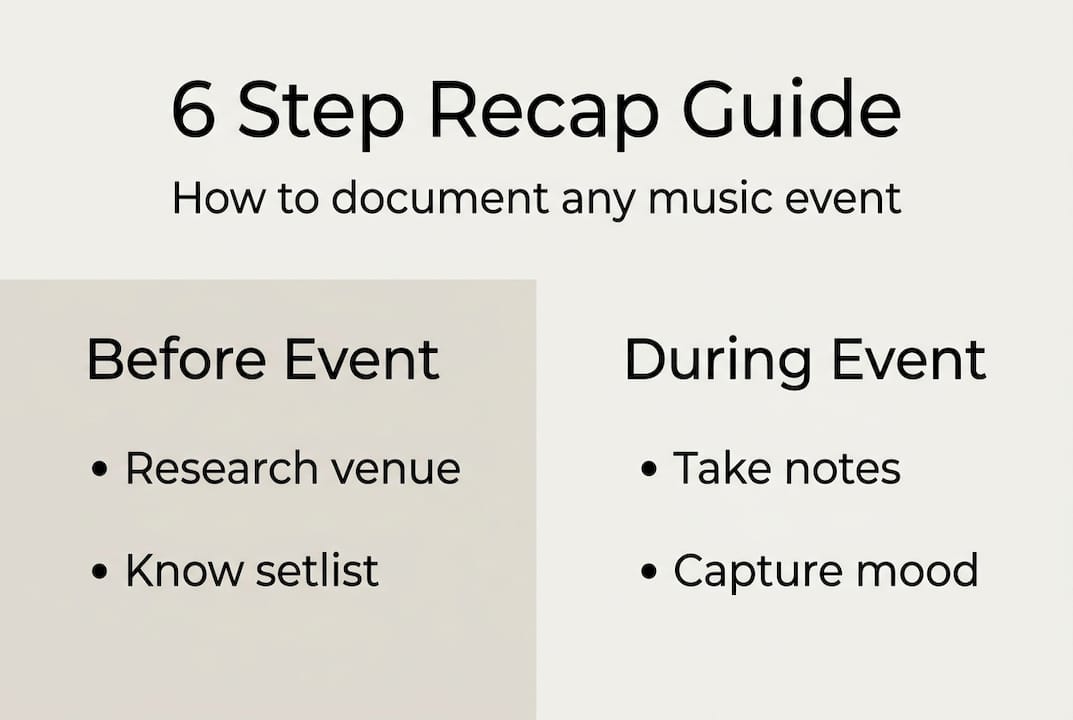
Using a simple template to structure your notes makes a huge difference. Here's a quick comparison of the most useful tools:
| Tool | Best for | Limitation |
|---|---|---|
| Notepad and pen | Speed, no battery drain | Hard to read later in dim light |
| Notes app on phone | Easy to organize, searchable | Screen brightness can be distracting |
| Voice memo app | Capturing energy and crowd noise | Requires transcription afterward |
| Pre-made template | Consistent structure every show | Less flexible for surprises |
As note-taking during the event on setlist, sensory details, and multimedia enhances both accuracy and engagement, having your system ready before the doors open means you're not improvising when the lights go down.
Pro Tip: Write down three specific things you want to notice during the show. It could be the lighting design, how the artist interacts with the crowd, or how the band transitions between songs. Having a focus sharpens your observations.
Capture the experience: Note-taking and sensory details during the event
With preparation handled, you're ready to document the action as it unfolds. This is where most people freeze up. They don't want to be that person staring at a screen while everyone else is losing their mind to the music. The good news is that smart, minimal note-taking takes about ten seconds per song.
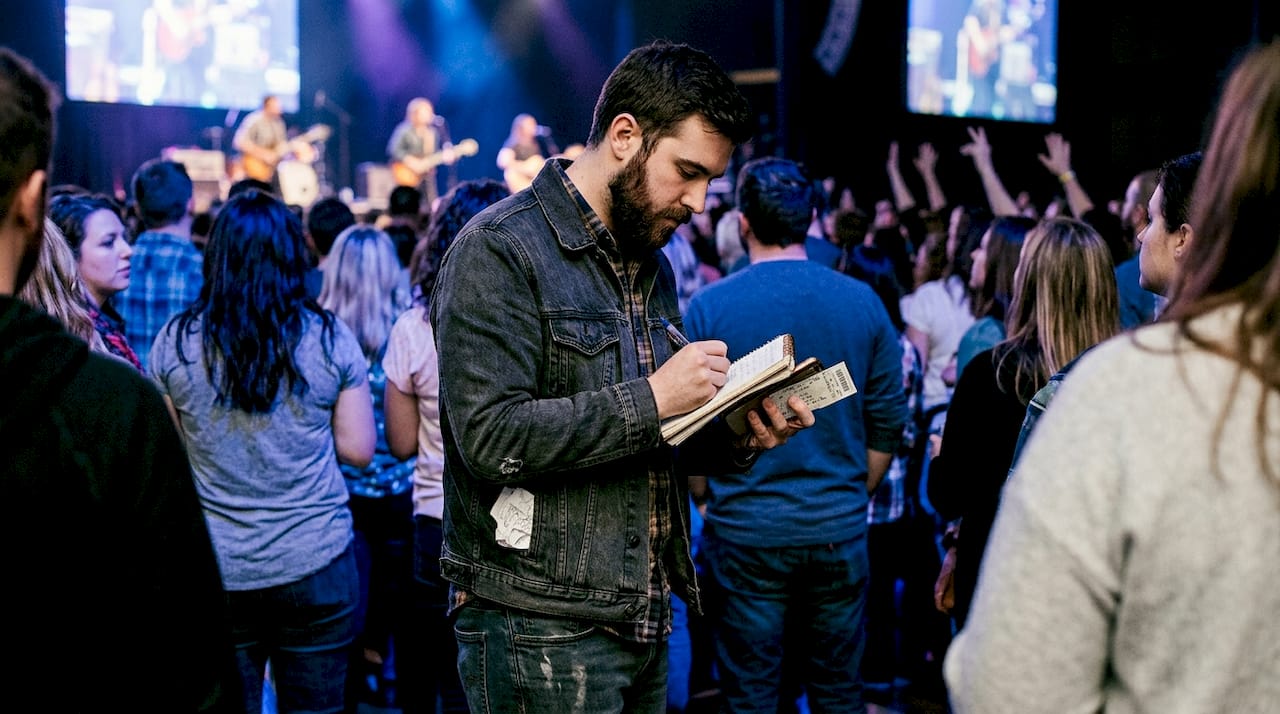
One of the most effective frameworks for live note-taking is the 4P structure: Picture, Promise, Prove, Push. Picture sets the scene. Promise establishes what the show is delivering. Prove backs it up with specific moments. Push gives the reader a reason to care. You don't need to write full sentences during the show. Just jot a word or two per column.
Here's a simple on-the-go data table you can fill in as the night progresses:
| Song | Timing | Crowd reaction | Your note |
|---|---|---|---|
| Opener | 8:02 PM | Immediate surge forward | Confetti drop, massive energy |
| Mid-set ballad | 9:15 PM | Phones up everywhere | Emotional, singer's voice cracked |
| Encore closer | 10:40 PM | Full crowd sing-along | Best moment of the night |
Beyond the setlist, the sensory details are what make a recap unforgettable. Here's what to jot down during the show:
- The first thing you noticed when you walked in (smell of the venue, temperature, crowd energy)
- How the sound felt in your chest during the first song
- One specific thing the artist said or did between songs
- A moment when the crowd surprised you
- The visual detail that stood out most (lighting color, stage setup, a costume element)
- How you felt during the song that hit hardest
- Anything unexpected: a guest, a cover, a technical glitch
Think about your concert achievements and what made this show different from others you've attended. That contrast is gold for your recap.
Vivid sensory details beat generic praise every single time. "The bass rattled my ribs" tells a story. "It was amazing" tells nothing.
Pro Tip: Limit phone use to two or three intentional moments per set. One photo of the stage setup, one video clip of the crowd going wild, one quick voice note. Then put the phone away and actually be there.
Craft a compelling recap: Structure, storytelling, and balance
Once your raw notes are ready, it's time to shape them into a guide-worthy recap. The best concert recaps read like a story, not a report. They pull you in, take you through the night, and leave you feeling like you were there.
A strong recap starts with a sensory hook, flows chronologically through performance peaks and audience highlights, and closes with a verdict and recommendation. Here's how to build that structure step by step:
- Open with a sensory hook. Drop the reader into the room. Describe the moment the lights cut out, the smell of the crowd, the sound of the opening note.
- Set the context. Artist name, venue, date, tour name if relevant. Keep it brief but informative.
- Walk through the performance. Highlight three to five key moments. Not every song needs coverage. Focus on what was surprising, emotional, or technically impressive.
- Cover the setlist. List the songs in order. Note any rarities, covers, or unexpected choices.
- Include the audience. The crowd is part of the show. How did people react? Was there a moment of collective awe?
- Close with your verdict. Would you recommend this show? What made it worth attending? Be honest.
Storytelling is what separates a forgettable recap from one people share. Use the benefits of concert tracking to give your recap context. If this was your tenth time seeing this artist, say so. If it was your first arena show, that matters.
When organizing concert recaps, balance personal reactions with objective observations. "The mix was muddy in the first three songs" is useful. "I personally didn't love the opener" is fine too, as long as you explain why.
Avoid these common mistakes:
- Using generic phrases like "they killed it" without backing them up
- Spending too much time on your own backstory instead of the show itself
- Skipping the setlist entirely
- Forgetting to mention the venue's atmosphere and acoustics
- Writing so long after the event that the energy is gone from your words
Pro Tip: Publish your recap within 24 hours of the show. Memory fades fast, and fan interest peaks in the first day after a concert. Early recaps also tend to rank better in search and get more shares on social platforms.
Share and connect: Publishing your recap and engaging the music community
With your recap polished, the final step is making it meaningful by sharing it with the right audience. A great recap sitting in a private doc helps no one. Getting it out into the world is where the real reward kicks in.
As platforms like setlist.fm enable sharing and support connection with fellow enthusiasts, and publishing within 24 hours captures peak interest, your timing and platform choice both matter.
Here's a simple publishing process to follow:
- Proofread once for typos and clarity. Read it out loud if you can.
- Add your best two or three photos from the night.
- Include any short video clips that capture a key moment.
- Choose your platform and post with relevant tags or hashtags.
- Respond to comments and engage with other fans who attended.
For sharing concert insights effectively, you have several strong options. Fan forums and subreddits for specific artists are highly engaged communities. Music blogs, whether your own or a guest post on an established one, give your recap a longer shelf life. Setlist.fm is purpose-built for this and connects you with fans globally. Dedicated concert apps like Gigvault let you store and share within a community of people who genuinely care about live music.
Sharing recaps is also how shared concert bonds form. You'll find people who were at the same show, discover fans who have been following the artist for decades, and sometimes even connect with people who become real friends over a shared love of live music.
Best practices when sharing publicly:
- Tag the artist's official accounts where appropriate
- Use specific hashtags tied to the tour or venue
- Credit photographers if you're sharing someone else's shots
- Be respectful when critiquing the performance, even if something went wrong
- Engage genuinely with anyone who comments or shares your post
The real value: Why authentic recaps will always beat algorithms
Here's a take most people won't give you: the rise of AI-generated summaries and algorithm-curated feeds actually makes human-written concert recaps more valuable, not less. Algorithms can pull a setlist. They can count how many songs were played. But they cannot tell you that the singer's voice broke on the bridge of the third song, or that a stranger next to you started crying during the encore, or that the whole room smelled like rain because the roof had been open all evening.
Vivid sensory details and balanced critique build bonds that algorithms simply cannot replicate. That's not nostalgia talking. It's the reason fan communities have always gathered around shared stories, not shared data.
When you write an honest recap, you're contributing something permanent to the record of that night. You're also building your own live music insights over time. Each recap you write makes the next one sharper, more personal, and more connected to a larger story about your life as a music fan. That's something no algorithm will ever produce for you.
Make every recap count with Gigvault
You've put in the work to capture, write, and share your concert experience. Now give it a home where it actually belongs.
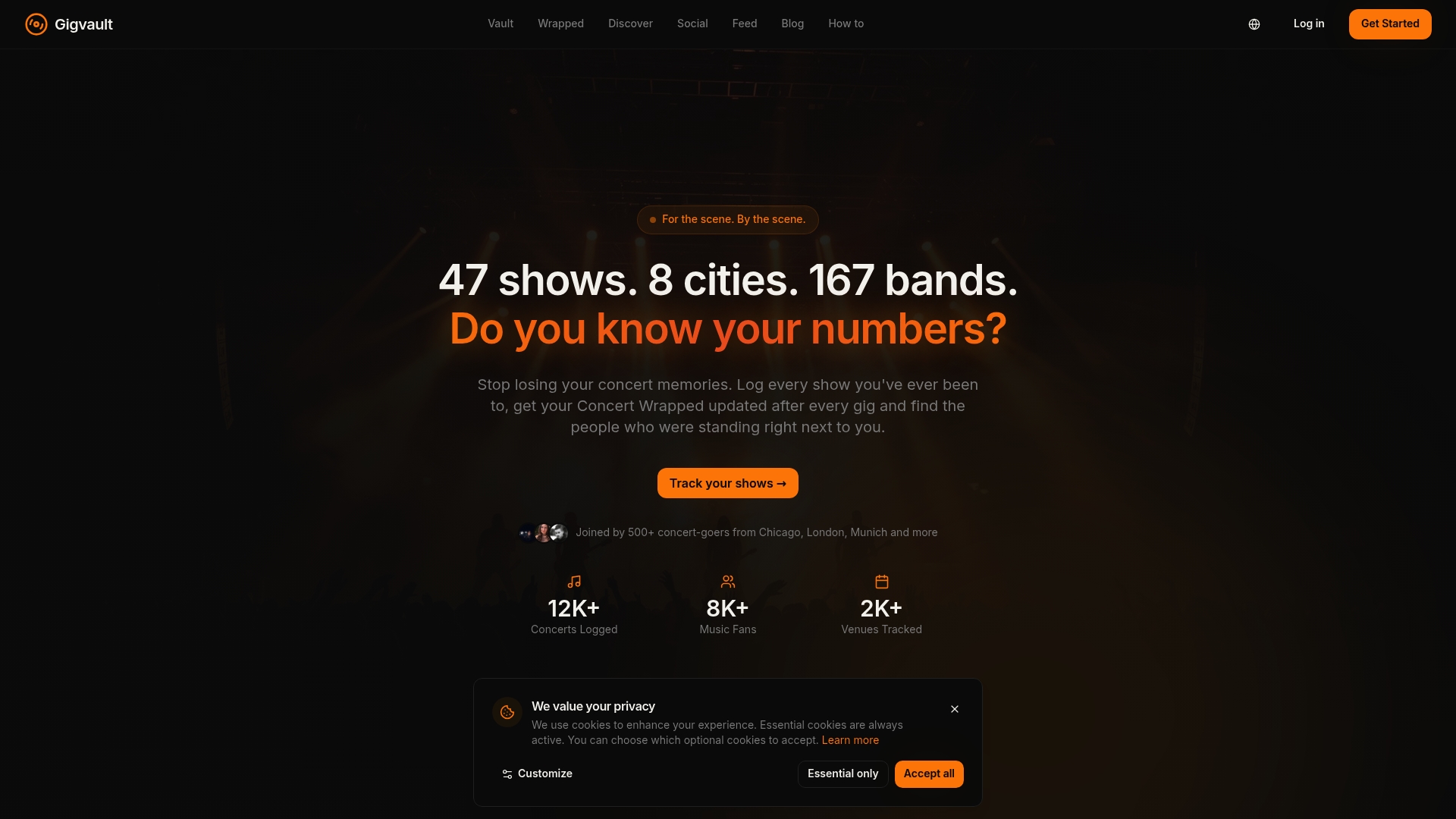
Gigvault is built specifically for concert-goers who want to do exactly this. You can log every show you've attended, attach your photos and videos, record your setlists and ratings, and build a personal archive that grows with every gig. The Gigvault features include AI-generated Music Identity, mutual connection discovery, and community tools that connect you with fans who share your concert history. No algorithm noise. No follower counts. Just real memories with real people. Track your concert history starting with your next show and see what your live music life actually looks like.
Frequently asked questions
What are the most important details to include in a music event recap?
Standard recap sections include the artist, venue, setlist, performance highlights, sound quality, visuals, and audience reaction. Covering all of these gives readers a complete picture of the night.
What should I do if something goes wrong during a concert?
Note issues like poor sound, a shortened set, or technical problems objectively and explain how they affected your overall experience. Handle edge cases like these with fairness rather than frustration.
How soon should I publish my music event recap?
Publishing within 24 hours captures peak fan interest and gives your recap the best chance of being read and shared widely.
Where can I share my concert recaps to reach other fans?
Platforms like setlist.fm are great starting points, along with fan forums, music blogs, and dedicated concert apps like Gigvault that connect you with a community of serious live music fans.